After Passing
What Happens After You Pass Your Driving Test
2026-03-27
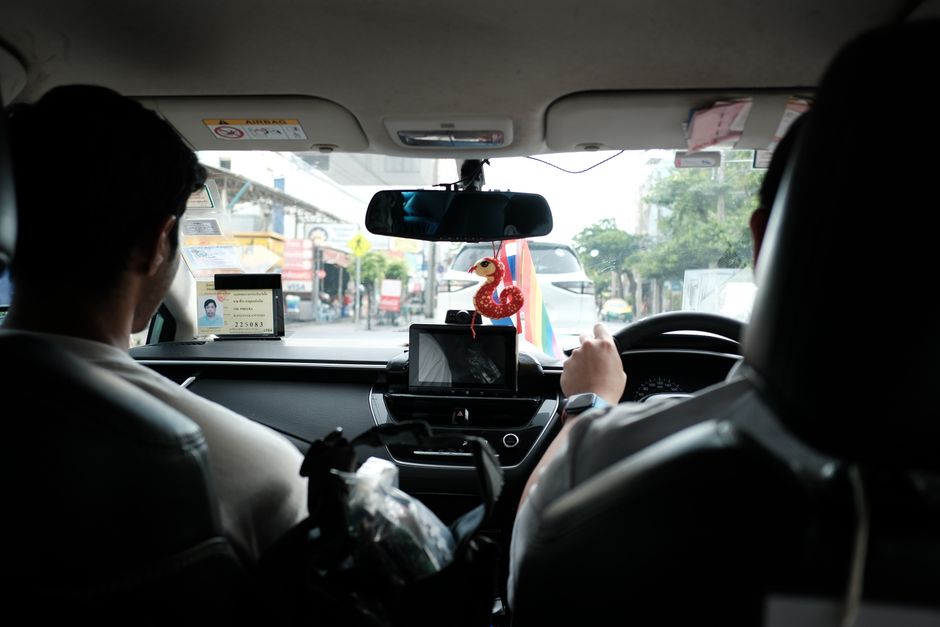
Passing your driving test is a fantastic achievement, but it's just the beginning of your driving journey. Understanding what happens next and what your responsibilities are as a newly qualified driver helps ensure a smooth transition to independent driving.
Your Full Driving Licence
Once you pass your practical test, the DVSA will send your pass certificate to the DVLA. The DVLA then issues your full photocard driving licence, which typically arrives within two weeks. You can check the status of your licence online using the DVLA's tracking service.
Your full licence allows you to drive unsupervised on all public roads, without the L-plates and restrictions that applied to provisional licence holders. You can also drive different vehicle categories as listed on your licence.
Insurance Updates
This is crucial – you must inform your insurance company immediately that you've passed your test. Your insurance premium will likely decrease now that you're a fully qualified driver, though the reduction may be modest in your first year. Driving without updating your insurance is illegal and invalidates your cover.
Shop around for new quotes before your current policy renews. Many insurers offer discounts for newly passed drivers, particularly if you take an advanced driving course. Consider telematics insurance (black box), which monitors your driving and can reward safe drivers with lower premiums.
Consider an Advanced Driving Course
Many new drivers benefit from further training after passing their test. Courses run by organisations like the Institute of Advanced Motorists teach advanced techniques and hazard perception skills. These courses can reduce your insurance premium and, more importantly, improve your safety on the road.
Some employers encourage or even subsidise advanced driving courses for their employees. It's worth investigating if your workplace offers this.
Building Experience Safely
Passing your test means you're safe to drive alone, but you're still inexperienced. Statistics show that newly qualified drivers are at higher risk of accidents in their first year. Build your experience gradually.
Start with quieter routes you know well. Gradually progress to busier roads, motorways, and different weather conditions. Don't rush into challenging driving scenarios. Motorway driving, in particular, requires different skills – some new drivers choose to take additional lessons specifically for motorway experience.
Motorway Driving Considerations
Your test doesn't include motorway driving, yet many new drivers find themselves on motorways shortly after passing. Consider taking additional lessons before your first motorway journey. Motorway driving requires understanding of lane discipline, safe speeds, and different hazard management compared to other roads.
Maintaining Your Skills
Just as with any skill, your driving ability can deteriorate if you don't practise regularly. If you've had a break from driving, take some time to refresh your skills before driving in challenging conditions.
Legal Responsibilities
- Keep your licence with you when driving
- Update your address with the DVLA within 21 days if you move
- Declare any medical conditions that might affect your driving
- Maintain your vehicle in a roadworthy condition
- Ensure you have appropriate insurance at all times
First Year Focus
During your first year of driving, focus on gaining experience in different conditions and on different road types. Drive regularly but within your comfort zone. Learn from experienced drivers around you. Stay calm and don't feel pressured to take risks.
Congratulations on passing your test. With sensible progression and continued learning, you'll develop into a confident, safe, and skilled driver.