Road Knowledge
Understanding Road Signs: A Complete Guide for UK Drivers
2026-03-09
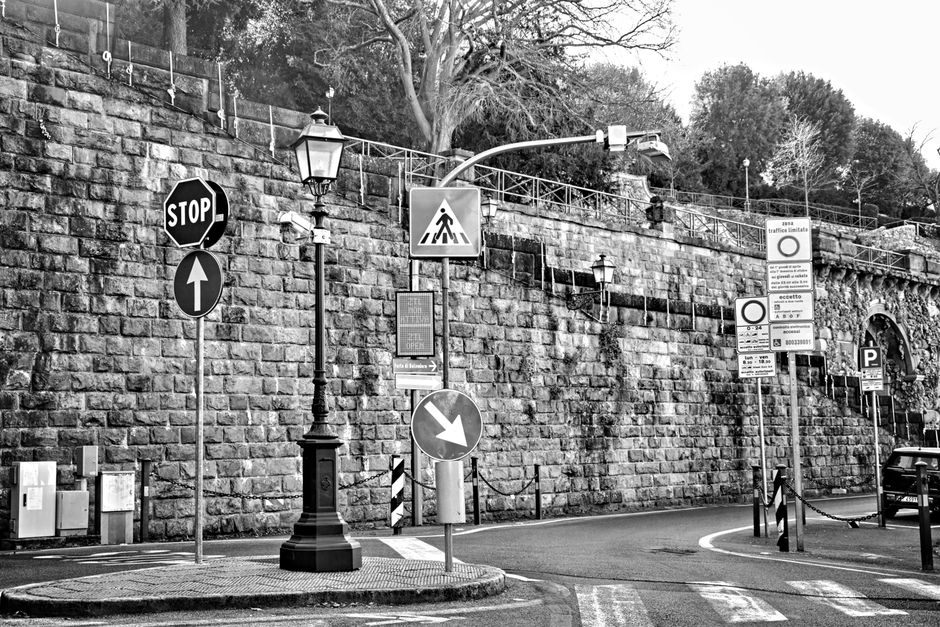
Road signs are the language of the road. Understanding what they mean is fundamental to safe driving and a requirement for passing your driving test. The UK uses a standardised system of signs that conveys information quickly and clearly to drivers. Let's break down the main categories.
The Three Main Categories
UK road signs fall into three distinct categories based on their shape and colour. Each category tells you something different about what the sign is communicating.
Regulatory signs are circular with a red border. They indicate instructions that you must follow – these are legal requirements, not suggestions. Examples include speed limit signs, no entry signs, and parking restrictions. Ignoring regulatory signs can result in fines or penalty points.
Warning signs are triangular with a red border. These alert you to potential hazards ahead, allowing you to prepare and adjust your driving accordingly. Examples include warnings for pedestrian crossings, slippery roads, and wildlife.
Information signs are rectangular with a blue background (for motorways) or green background (for other roads). These provide guidance and information about facilities, distances, and directions.
Speed Limit Signs
Speed limit signs are among the most important regulatory signs. A circular sign with a red border and white background shows the maximum speed limit for that section of road. National speed limits apply where no sign is visible – 60mph on single carriageways, 70mph on dual carriageways and motorways.
Speed limits can vary frequently, particularly in urban areas and around roadworks. Always pay attention to speed limit signs and adjust your speed accordingly. Remember, these are maximum speeds, not target speeds – you must drive at a safe speed for the conditions.
Warning Signs You Must Know
- Pedestrian crossing – slow down and be prepared to stop
- Slippery road – reduce speed and increase following distance
- Roadworks – expect hazards and follow temporary signs
- Wildlife – be prepared for animals crossing the road
- Steep hill – use appropriate gears and control your speed
- Blind bend – reduce speed and stay in your lane
Mandatory Instructions
Some circular signs with red borders are particularly important as they give mandatory instructions. A red circle with a white horizontal line means 'no entry'. A circular sign with an arrow shows the direction you must go. These aren't optional – you must obey them.
Information Signs
Blue rectangular signs on motorways and green rectangular signs on other roads provide useful information. These include distance signs showing how far away towns or services are, and signs indicating facilities like service stations, hospitals, or tourist attractions.
Motorway Signs
Motorways use a specific sign system. Blue signs with white text indicate direction and distance information. Red signs on motorways indicate warnings or closures. White rectangular signs show lane control information – these can change to indicate which lanes are open or closed.
Variable Message Signs
Modern roads increasingly feature electronic variable message signs that display changing information. These might warn of congestion ahead, display current speed limits, or indicate lane closures. Always pay attention to these signs as they provide real-time information about road conditions.
Learning Road Signs Effectively
For your theory test, you need to recognise and understand road signs. Use official DVSA materials to study signs systematically. The best approach is to learn signs by category and understand the reasoning behind them, rather than memorising randomly.
When driving, actively notice signs around you. This reinforces your learning and helps you understand how signs function in real-world driving situations.
Mastering road signs makes you a safer, more confident driver. They're designed to keep you safe and help you navigate roads efficiently – treating them with the respect they deserve is essential for all road users.